


![EOFY [highlight]Special Offer[/highlight]](https://www.ausdirecthire.com.au/wp-content/uploads/2025/04/new-financial-year-special-offer-2.jpg)


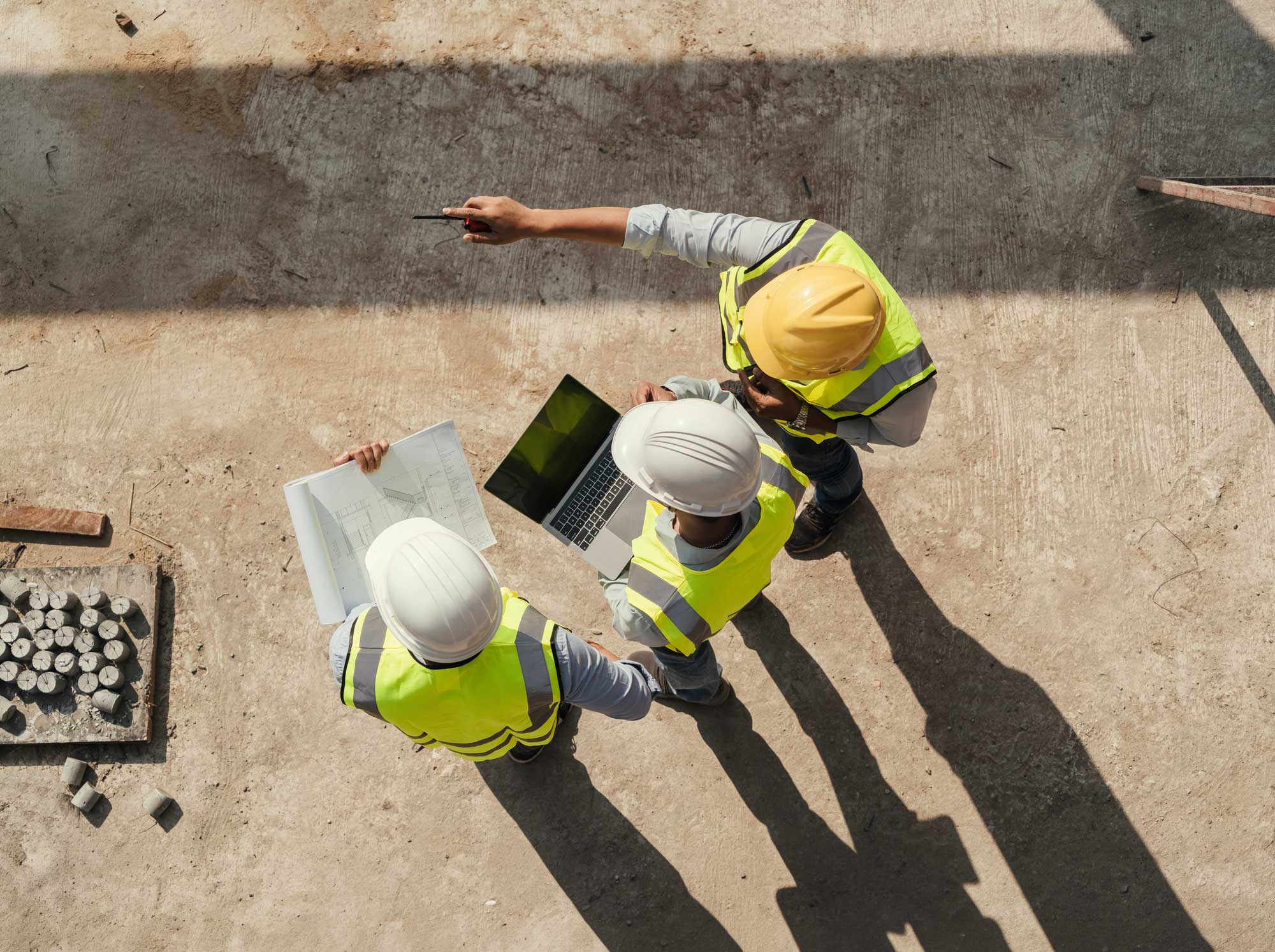
Construction projects rarely fall behind because an access machine isn’t capable of doing the job.
More often, delays begin much earlier. A lift arrives that won’t fit through the site entrance. Ground conditions haven’t been properly assessed. Working heights have been estimated rather than measured. Equipment is booked too late, forcing project teams to compromise with whatever is available.
The result isn’t simply inconvenience. It can mean lost productivity, additional labour costs, programme delays and unnecessary safety risks.
As Brisbane’s construction, infrastructure and industrial sectors continue to grow, project schedules are becoming tighter and worksites more complex. Warehouses remain operational during maintenance, manufacturing facilities minimise shutdown windows, and commercial developments require multiple trades to work safely within confined spaces. In these environments, selecting the right access equipment is no longer just a procurement decision—it’s part of effective project planning.
The businesses that consistently deliver projects on time tend to approach equipment hire differently. Rather than asking, “What machine do we need?” they ask, “What does the job require, and what is the safest and most efficient way to complete it?”
That subtle shift often determines whether equipment becomes an asset to the project—or an unexpected source of delay.
The Real Cause of Project Delays Isn’t the Equipment
Access equipment has become more capable, more reliable and more specialised than ever before. Modern fleets are professionally maintained, regularly serviced and designed to perform across a wide variety of environments. Yet when projects lose time because of access equipment, the machine itself is rarely to blame.
More often, delays begin with decisions made long before equipment arrives on site. A machine is selected because it’s familiar rather than appropriate. Delivery requirements haven’t been considered. Site conditions haven’t been assessed thoroughly. Equipment is booked after the construction programme has already been finalised instead of being incorporated into the planning process from the outset.
Each decision may seem minor in isolation, but together they influence productivity across the entire project.
Experienced project managers recognise that access equipment should be considered alongside logistics, sequencing and workforce planning—not after those decisions have already been made.
This is particularly evident on complex industrial projects, where planning decisions made before equipment arrives often have the greatest influence on productivity, safety and programme certainty. We explored this further in Brisbane’s Trade Coast: Why Access Equipment Planning Matters More Than Ever.
Start With the Job, Not the Machine
One of the most common planning mistakes is selecting equipment before fully understanding the work that needs to be completed.
For example, requesting a boom lift simply because greater reach is required may overlook important considerations such as horizontal outreach, ground pressure, platform capacity, indoor or outdoor operation, overhead obstructions and restricted site access.
Likewise, a scissor lift may provide the necessary working height but prove unsuitable if operators need to reach over machinery, navigate structural steel or reposition frequently throughout the day.
The most efficient projects begin by defining the task first and then selecting equipment that best supports it.
Before making a booking, consider questions such as:
- What work is actually being undertaken?
- How many people will be working from the platform?
- What tools or materials need to be carried?
- How frequently will the machine need repositioning?
- Are there overhead services or restricted areas that affect access?
Taking the time to answer these questions usually results in faster, safer and more cost-effective equipment selection.
Depending on the task, a cherry picker may ultimately prove more efficient than either a boom lift or scissor lift, particularly where horizontal outreach and manoeuvrability are more important than purely vertical access.
Measure Before You Mobilise
Working height is one of the most misunderstood aspects of access equipment hire.
It’s surprisingly common for building heights to be estimated from ground level, only for project teams to discover after delivery that additional reach is required. Equally, some businesses hire significantly larger machines “just to be safe”, increasing transport costs, site constraints and hire expenses without improving productivity.
Accurate planning means considering more than simply reaching the highest point of the structure.
Project teams should also think about:
- Comfortable operator working position
- Safe horizontal outreach
- Clearance around services and structures
- Space required to operate tools safely
- Future tasks likely to be completed while the equipment remains on hire
Taking accurate measurements before equipment is booked allows machines to be matched precisely to the work, reducing unnecessary costs and eliminating avoidable equipment changes once the project is underway.
Every Worksite Changes the Equation
A machine that performs exceptionally on one project may be completely unsuitable for the next.
Ground conditions, gradients, underground services, available operating space and surrounding infrastructure all influence equipment selection.
Industrial facilities across Brisbane’s Trade Coast, for example, present very different challenges to commercial office developments in the CBD or warehouse facilities in Pinkenba.
Questions that should always form part of equipment planning include:
- Is the ground sealed, gravel or soft soil?
- Are underground services or suspended slabs present?
- Will the machine operate on ramps or uneven terrain?
- Is there sufficient turning and operating space?
- Will the equipment be used indoors, outdoors or both?
Electric access equipment may be the preferred solution for enclosed environments, while rough-terrain diesel machines are often better suited to construction and civil works. Projects involving heavy materials handling may also require telehandlers or forklifts as part of the broader site logistics strategy.
Considering these factors before equipment is selected helps prevent unnecessary disruption once work begins.
Build Equipment Into the Project Programme
One of the easiest ways to create unnecessary pressure on a project is to leave equipment hire until the final few days before work begins.
Construction programmes typically allow considerable time for structural works, procurement, subcontractor coordination and services planning. Equipment hire, however, is sometimes treated as an operational task that can simply be organised when required.
During quieter periods this approach may work.
However, Brisbane regularly experiences peaks in demand driven by infrastructure projects, industrial shutdowns, commercial construction and maintenance programmes. Waiting until the last minute can reduce equipment availability, limit suitable alternatives and create avoidable pressure on project schedules.
Planning equipment requirements alongside the broader construction programme provides far greater flexibility. It also gives project teams the opportunity to seek practical advice before problems emerge, rather than reacting once work is already underway
Ultimately, successful projects rarely happen by chance. They are the result of decisions made early—and access equipment planning should be one of them.
The Machine Still Has to Get There
Selecting the right machine is only half the equation. It also needs to arrive on site at the right time, in the right place and without disrupting the rest of the project.
Access equipment isn’t simply delivered and switched on. It must be transported safely, unloaded, manoeuvred into position and integrated with an active worksite that may already have multiple trades operating simultaneously. On larger commercial, industrial and infrastructure projects, delivery windows can be tightly controlled, loading zones may be shared and site access restricted by security requirements or operational hours.
These logistical considerations often determine whether work starts on schedule or is delayed before the first task begins.
Before confirming equipment, it’s worth considering:
- Is there suitable access for delivery vehicles?
- Are loading areas available when the machine arrives?
- Does the site have induction or security requirements?
- Will the machine fit through gates, roller doors or confined work areas?
- Can it be positioned without interrupting other trades?
Thinking through these questions early reduces unnecessary disruption and allows equipment to become part of the project’s workflow rather than another challenge to manage.
Project Timelines Rarely Go Exactly to Plan
Construction programmes are living documents. Weather changes, material deliveries are delayed, design revisions occur and other trades can unexpectedly affect sequencing.
For that reason, equipment hire should be planned with realistic timeframes rather than optimistic assumptions.
A two-day task can easily become four once external factors are taken into account. While extending a hire is often possible, relying on extensions as the primary plan can create uncertainty—particularly during busy construction periods when equipment availability is under greater pressure.
The opposite can also occur. Booking equipment for significantly longer than required ties up project budgets and reduces utilisation without delivering additional value.
The most efficient project teams strike a balance between programme certainty and flexibility. They understand that access equipment should support the construction schedule—not become another variable that needs to be managed.
The Cheapest Hire Can Become the Most Expensive Decision
Daily hire rates are easy to compare, which is why they’re often the focus during procurement. But experienced project managers know that the real cost of access equipment is measured by how well it supports the project—not simply what it costs per day.
A machine that arrives late, isn’t suited to the task or cannot be supported quickly when circumstances change can create costs that far exceed any initial saving. Delayed trades, idle labour, extended programmes and rescheduled subcontractors all have a financial impact that quickly outweighs a modest difference in hire rates.
This is why experienced contractors increasingly evaluate suppliers on factors such as:
- Fleet quality and reliability
- Equipment availability
- Delivery performance
- Technical advice
- Responsiveness
- Service support
- Safety and compliance standards
Price will always remain an important consideration, but value is determined by much more than the number on the quotation.
Choosing the right equipment is only one part of a safe project. Employers also have a responsibility to ensure plant is selected, operated and maintained appropriately throughout its lifecycle. Safe Work Australia’s Model Code of Practice: Managing the Risks of Plant in the Workplace provides practical guidance for managing plant safely in Australian workplaces.
The Best Hire Companies Do More Than Deliver Equipment
The strongest hire companies don’t simply supply machines—they contribute experience gained across hundreds of successful projects.
Having worked across commercial construction, industrial maintenance, warehousing, logistics, shutdowns and infrastructure projects, experienced equipment specialists often identify opportunities or challenges that may not be immediately obvious during project planning.
A conversation before equipment is booked can uncover a better machine for restricted access, recommend an electric alternative for indoor environments or suggest a different approach that improves productivity while reducing unnecessary cost.
These conversations rarely add time to a project. More often, they save it.
The best hire relationships become partnerships rather than transactions. Instead of simply responding to equipment requests, experienced providers help project teams make better decisions before work begins.
When access equipment planning starts early and specialist advice forms part of the conversation, projects generally run more efficiently from mobilisation through to completion.
A Practical Framework for Better Equipment Planning
Across almost every successful project, the same planning principles continue to emerge. Before hiring access equipment, work through the PROJECT framework.
P – Plan the work
Understand exactly what needs to be achieved before selecting equipment.
R – Review site conditions
Assess access, terrain, gradients, overhead hazards and operating constraints.
O – Obtain accurate measurements
Confirm working height, outreach and platform capacity requirements.
J – Join equipment planning with the project programme
Integrate equipment scheduling into the broader construction timeline.
E – Evaluate logistics
Consider delivery access, unloading, positioning and site restrictions.
C – Choose value, not simply price
Assess reliability, service capability and supplier support—not just daily hire rates.
T – Talk to experienced equipment specialists
Use practical advice to identify better solutions before work begins.
While every project presents different challenges, following these principles helps reduce downtime, improve productivity and deliver safer, more efficient project outcomes.
Planning Ahead Pays Off
Successful projects aren’t simply the result of skilled trades or quality equipment. They’re built on good planning.
The projects that finish on time are rarely those with the biggest budgets or the newest machines. More often, they’re the ones where equipment requirements were considered early, site conditions were properly assessed and experienced partners were involved before work commenced.
Access equipment should never be viewed as an isolated procurement decision. It forms part of the broader planning process that influences productivity, safety, logistics and programme certainty from day one.
As Brisbane continues to invest in major infrastructure, industrial development and commercial construction, businesses that approach equipment hire strategically will be better positioned to deliver projects efficiently, safely and with fewer unexpected delays.
How Ausdirect Hire Can Help
Every project presents different access challenges, but the objective is always the same: complete the work safely, efficiently and with minimal disruption.
At Ausdirect Hire, we work with contractors, facility managers, councils and industrial businesses to identify the right solution before work begins. Our fleet includes Boom Lifts, Scissor Lifts, Man Lifts, Telehandlers and Forklifts, supported by experienced advice to help match equipment to your project’s specific requirements.
Beyond supplying equipment, we help businesses consider site access, working height, ground conditions, delivery logistics and project sequencing—ensuring equipment becomes part of the solution rather than another challenge to manage.
Whether you’re planning a commercial development, industrial shutdown, warehouse maintenance program or major infrastructure project, early planning and practical advice can make a measurable difference to project safety, productivity and programme certainty.